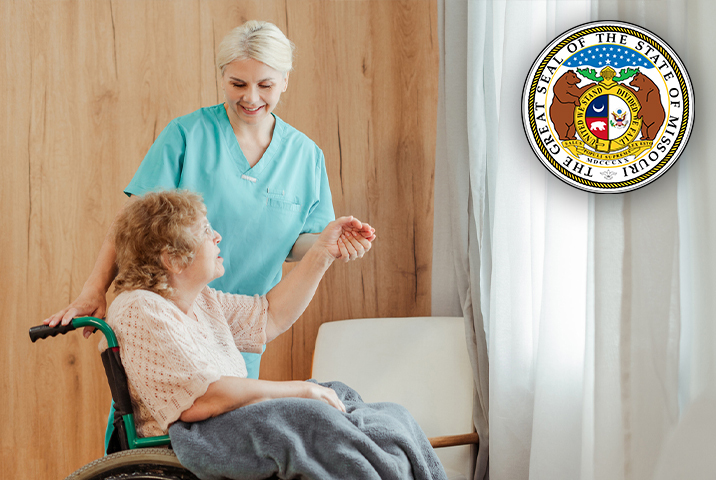
Missouri Adult Day Care Programs - Direct Care Staff - In Service Training

Our collection of courses for the in service training of Missouri Adult Day Care Direct Care Staff is designed to meet the requirements stated in Section 19 CSR 30-90.040 - Staffing Requirements of the Missouri Administrative Code.

This collection contains 7 courses, totalling 7 hours of training, covering topics ... Read more

  • 7 courses
  • 7 hours
Missouri Adult Day Care Programs - Direct Care Staff - In Service Training

Course Description

Working with Older Adults is a course designed for caregivers who aim to provide compassionate and effective care for the elderly population. The course focuses on understanding the unique needs and challenges associated with aging, as well as developing essential skills and strategies to support older adults in maintaining their independence, health, and overall well-being. By the end of this course, participants will be well-equipped to build strong relationships with older adults and create a positive caregiving experience for both the caregiver and the care recipient.

Course Topics

  • Common health concerns in older adults
  • Effective communication with older adults
  • Strategies for promoting independence and autonomy
  • Recognizing and addressing age-related cognitive decline
  • Managing challenging behaviors in older adults
  • Identifying and preventing elder abuse
  • Addressing the emotional and psychological needs of older adults

Course Description

Patients' Rights is a fundamental aspect of healthcare that focuses on ensuring patients receive fair and respectful treatment while under medical care. As a caregiver, understanding and respecting patients' rights is crucial to providing high-quality care and maintaining strong relationships with patients and their families. This course aims to educate caregivers on the ethical and legal aspects of patients' rights, including informed consent, privacy, confidentiality, autonomy, the right to be free from abuse and neglect, and the right to refuse treatment. By learning about patients' rights, caregivers will be better equipped to advocate for their patients and ensure that they receive the best possible care.

Course Topics

  • Explain the importance of informed consent
  • Discuss privacy and confidentiality in healthcare
  • Understand autonomy and the right to refuse treatment
  • Learn how to prevent abuse and neglect
  • Identify best practices for maintaining positive relationships with patients and their families

Course Description

Introduction to Dementia Care is a course designed to provide an understanding of dementia, its various types, and the impact it has on individuals, families, and caregivers. This course is for home health aides who want to gain knowledge about dementia and the strategies that can be used when providing care. The course will help learners understand the challenges faced by people with dementia, as well as the best practices for providing support and care to enhance their quality of life.

Course Topics

  • Understand the symptoms and progression of dementia
  • Recognize the impact of dementia on individuals and their families
  • Learn effective communication techniques for people with dementia
  • Understand the importance of person-centered care
  • Identify strategies for managing challenging behaviors in dementia care
  • Explore the role of activities and environmental factors in dementia care

Course Description

Communication Strategies in Dementia Care is a course specifically designed for caregiving staff to enhance their skills in effectively communicating with patients suffering from dementia. Dementia is a progressive neurodegenerative disease that affects cognitive abilities, leading to challenges in communication and understanding. This course aims to equip caregivers with the knowledge and techniques necessary to provide compassionate and effective care to patients with dementia while maintaining a strong emotional connection.

Course Topics

  • Identifying common communication challenges in dementia care
  • Utilizing effective verbal and nonverbal communication techniques
  • Implementing active listening and empathy in dementia care
  • Adapting communication strategies to different stages of dementia
  • Recognizing and managing challenging behaviors in dementia patients
  • Supporting patients' independence and dignity through effective communication
  • Collaborating with other healthcare professionals in dementia care

Course Description

Managing Challenging Behaviors in Dementia is a comprehensive course designed to help caregivers develop a deeper understanding of dementia-related behaviors and equip them with practical strategies for managing these behaviors effectively. The course covers various aspects of dementia care, including understanding the causes of challenging behaviors and implementing person-centered approaches to care. Caregivers will learn techniques for managing agitation, aggression, wandering, and other common dementia behaviors, as well as communication strategies for effectively interacting with individuals with dementia. The ultimate goal of this course is to improve the quality of life for both the person with dementia and the caregiver.

Course Topics

  • Identifying the causes of challenging behaviors in dementia
  • Person-centered approaches to dementia care
  • Techniques for managing agitation, aggression, and wandering
  • Communication strategies for individuals with dementia
  • Developing a care plan for managing challenging behaviors
  • Supporting caregivers' mental and emotional well-being

Course Description

Assisting Older Adults with Dementia with Bathing and Personal Care is a course designed to teach caregivers such as home health aides, personal care assistants, and certified nursing assistants effective and compassionate techniques for assisting patients with bathing and personal hygiene tasks. This course aims to reduce the stress and anxiety often associated with bathing for both the patient and the caregiver. By learning these essential skills, caregivers can provide a comfortable, safe, and enjoyable bathing experience for their patients while maintaining their dignity and independence.

Course Topics

  • Understanding common challenges and fears related to bathing
  • Effective communication strategies during bathing tasks
  • Techniques to create a comfortable and safe bathing environment
  • Adaptive equipment and modifications for various patient needs
  • Strategies for addressing resistance and agitation during bathing
  • Maintaining patient privacy and dignity throughout the bathing process

Course Description

Person Centered Dementia Care is an essential course for caregiving staff who work with individuals living with dementia. The course focuses on understanding the unique experiences and needs of people with dementia and emphasizes the importance of providing person-centered care and developing person-centered care plans. This approach respects and values the individuality of each person, taking into account their preferences, abilities, and life history. By adopting person-centered care strategies, caregivers can enhance the quality of life for those living with dementia and support their dignity, autonomy, and well-being.

Course Topics

  • Principles of person-centered care in dementia
  • Supporting selfhood and individuality in dementia care
  • Supporting family members and caregivers of people with dementia
  • Identifying key components of person-centered dementia care
  • Developing person-centered care plans